17
Feb
Wooden Floor Polishing Tips
Step-by-Step Guide to Wood Floor Renovation
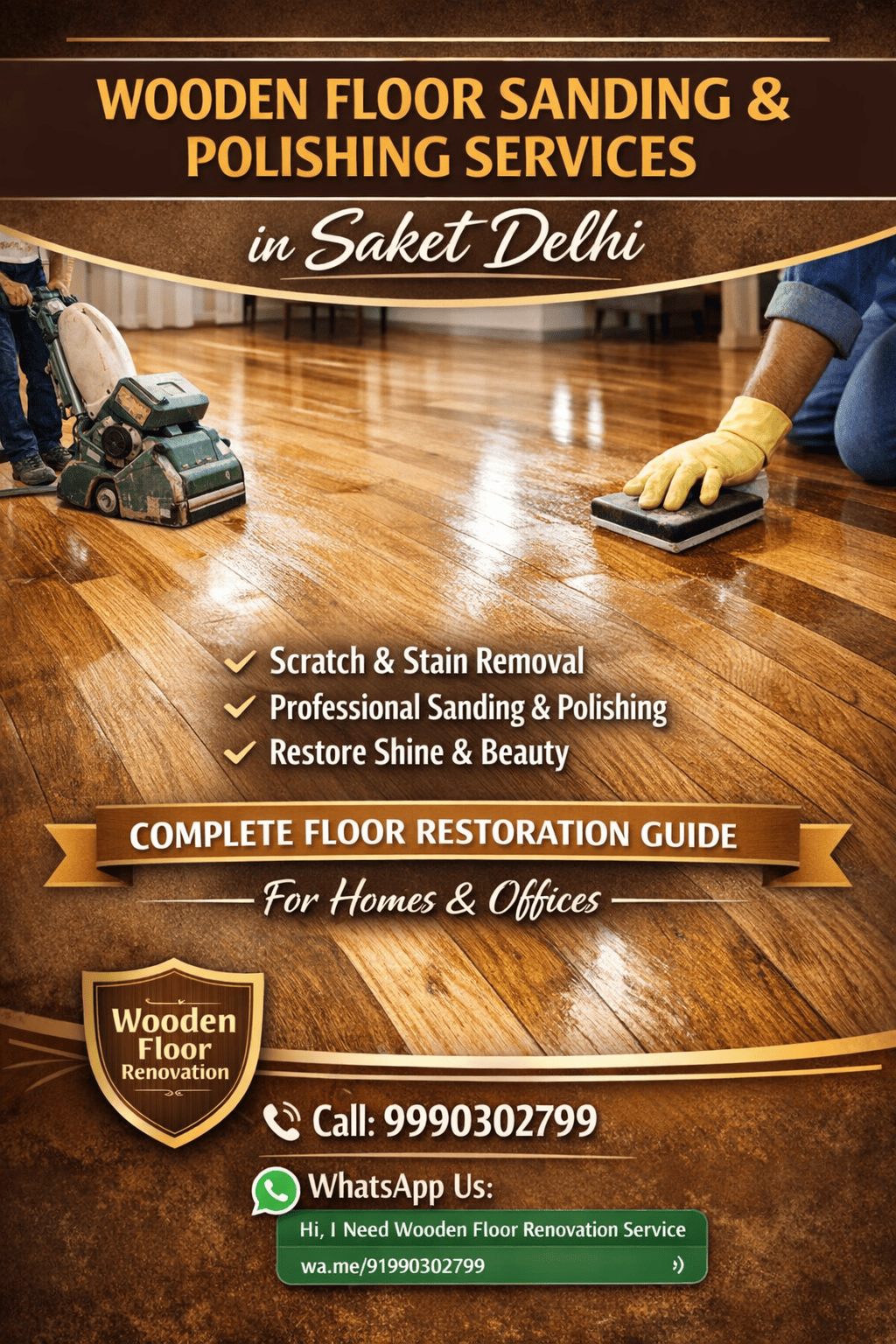
Wood floor renovation involves multiple phases: remove existing coverings, inspect and repair damaged boards, sand the wood down to bare surface, fill gaps and imperfections, then apply stain or protective coating. Regular sweeping and vacuuming throughout the process ensures dust-free results. Choosing between DIY or professional help depends on your experience and tools available.Wood floor renovation involves multiple phases: remove existing coverings, inspect and repair damaged boards, sand the wood down to bare surface, fill gaps and imperfections, then apply stain or protective coating. Regular sweeping and vacuuming throughout the process ensures dust-free results. Choosing between DIY or professional help depends on your experience and tools available.Wood floor renovation involves multiple phases: remove existing coverings, inspect and repair damaged boards, sand the wood down to bare surface, fill gaps and imperfections, then apply stain or protective coating. Regular sweeping and vacuuming throughout the process ensures dust-free results. Choosing between DIY or professional help depends on your experience and tools available.Wood floor renovation involves multiple phases: remove existing coverings, inspect and repair damaged boards, sand the wood down to bare surface, fill gaps and imperfections, then apply stain or protective coating. Regular sweeping and vacuuming throughout the process ensures dust-free results. Choosing between DIY or professional help depends on your experience and tools available.Wood floor renovation involves multiple phases: remove existing coverings, inspect and repair damaged boards, sand the wood down to bare surface, fill gaps and imperfections, then apply stain or protective coating. Regular sweeping and vacuuming throughout the process ensures dust-free results. Choosing between DIY or professional help depends on your experience and tools available.Wood floor renovation involves multiple phases: remove existing coverings, inspect and repair damaged boards, sand the wood down to bare surface, fill gaps and imperfections, then apply stain or protective coating. Regular sweeping and vacuuming throughout the process ensures dust-free results. Choosing between DIY or professional help depends on your experience and tools available.Wood floor renovation involves multiple phases: remove existing coverings, inspect and repair damaged boards, sand the wood down to bare surface, fill gaps and imperfections, then apply stain or protective coating. Regular sweeping and vacuuming throughout the process ensures dust-free results. Choosing between DIY or professional help depends on your experience and tools available.Wood floor renovation involves multiple phases: remove existing coverings, inspect and repair damaged boards, sand the wood down to bare surface, fill gaps and imperfections, then apply stain or protective coating. Regular sweeping and vacuuming throughout the process ensures dust-free results. Choosing between DIY or professional help depends on your experience and tools available.Wood floor renovation involves multiple phases: remove existing coverings, inspect and repair damaged boards, sand the wood down to bare surface, fill gaps and imperfections, then apply stain or protective coating. Regular sweeping and vacuuming throughout the process ensures dust-free results. Choosing between DIY or professional help depends on your experience and tools available.Wood floor renovation involves multiple phases: remove existing coverings, inspect and repair damaged boards, sand the wood down to bare surface, fill gaps and imperfections, then apply stain or protective coating. Regular sweeping and vacuuming throughout the process ensures dust-free results. Choosing between DIY or professional help depends on your experience and tools available.Wood floor renovation involves multiple phases: remove existing coverings, inspect and repair damaged boards, sand the wood down to bare surface, fill gaps and imperfections, then apply stain or protective coating. Regular sweeping and vacuuming throughout the process ensures dust-free results. Choosing between DIY or professional help depends on your experience and tools available.Wood floor renovation involves multiple phases: remove existing coverings, inspect and repair damaged boards, sand the wood down to bare surface, fill gaps and imperfections, then apply stain or protective coating. Regular sweeping and vacuuming throughout the process ensures dust-free results. Choosing between DIY or professional help depends on your experience and tools available.Wood floor renovation involves multiple phases: remove existing coverings, inspect and repair damaged boards, sand the wood down to bare surface, fill gaps and imperfections, then apply stain or protective coating. Regular sweeping and vacuuming throughout the process ensures dust-free results. Choosing between DIY or professional help depends on your experience and tools available.Wood floor renovation involves multiple phases: remove existing coverings, inspect and repair damaged boards, sand the wood down to bare surface, fill gaps and imperfections, then apply stain or protective coating. Regular sweeping and vacuuming throughout the process ensures dust-free results. Choosing between DIY or professional help depends on your experience and tools available.Wood floor renovation involves multiple phases: remove existing coverings, inspect and repair damaged boards, sand the wood down to bare surface, fill gaps and imperfections, then apply stain or protective coating. Regular sweeping and vacuuming throughout the process ensures dust-free results. Choosing between DIY or professional help depends on your experience and tools available.Wood floor renovation involves multiple phases: remove existing coverings, inspect and repair damaged boards, sand the wood down to bare surface, fill gaps and imperfections, then apply stain or protective coating. Regular sweeping and vacuuming throughout the process ensures dust-free results. Choosing between DIY or professional help depends on your experience and tools available.Wood floor renovation involves multiple phases: remove existing coverings, inspect and repair damaged boards, sand the wood down to bare surface, fill gaps and imperfections, then apply stain or protective coating. Regular sweeping and vacuuming throughout the process ensures dust-free results. Choosing between DIY or professional help depends on your experience and tools available.Wood floor renovation involves multiple phases: remove existing coverings, inspect and repair damaged boards, sand the wood down to bare surface, fill gaps and imperfections, then apply stain or protective coating. Regular sweeping and vacuuming throughout the process ensures dust-free results. Choosing between DIY or professional help depends on your experience and tools available.Wood floor renovation involves multiple phases: remove existing coverings, inspect and repair damaged boards, sand the wood down to bare surface, fill gaps and imperfections, then apply stain or protective coating. Regular sweeping and vacuuming throughout the process ensures dust-free results. Choosing between DIY or professional help depends on your experience and tools available.Wood floor renovation involves multiple phases: remove existing coverings, inspect and repair damaged boards, sand the wood down to bare surface, fill gaps and imperfections, then apply stain or protective coating. Regular sweeping and vacuuming throughout the process ensures dust-free results. Choosing between DIY or professional help depends on your experience and tools available.Wood floor renovation involves multiple phases: remove existing coverings, inspect and repair damaged boards, sand the wood down to bare surface, fill gaps and imperfections, then apply stain or protective coating. Regular sweeping and vacuuming throughout the process ensures dust-free results. Choosing between DIY or professional help depends on your experience and tools available.Wood floor renovation involves multiple phases: remove existing coverings, inspect and repair damaged boards, sand the wood down to bare surface, fill gaps and imperfections, then apply stain or protective coating. Regular sweeping and vacuuming throughout the process ensures dust-free results. Choosing between DIY or professional help depends on your experience and tools available.Wood floor renovation involves multiple phases: remove existing coverings, inspect and repair damaged boards, sand the wood down to bare surface, fill gaps and imperfections, then apply stain or protective coating. Regular sweeping and vacuuming throughout the process ensures dust-free results. Choosing between DIY or professional help depends on your experience and tools available.Wood floor renovation involves multiple phases: remove existing coverings, inspect and repair damaged boards, sand the wood down to bare surface, fill gaps and imperfections, then apply stain or protective coating. Regular sweeping and vacuuming throughout the process ensures dust-free results. Choosing between DIY or professional help depends on your experience and tools available.Wood floor renovation involves multiple phases: remove existing coverings, inspect and repair damaged boards, sand the wood down to bare surface, fill gaps and imperfections, then apply stain or protective coating. Regular sweeping and vacuuming throughout the process ensures dust-free results. Choosing between DIY or professional help depends on your experience and tools available.Wood floor renovation involves multiple phases: remove existing coverings, inspect and repair damaged boards, sand the wood down to bare surface, fill gaps and imperfections, then apply stain or protective coating. Regular sweeping and vacuuming throughout the process ensures dust-free results. Choosing between DIY or professional help depends on your experience and tools available.